Reassessing Turkey's
NATO Membership
A Strategic Policy Review Toward 2028
Evidence-based documentation addressing structural, legal and geopolitical implications of Turkey's continued membership in the North Atlantic Treaty Organization.







Four Pillars of Analysis
A comprehensive examination of Turkey's trajectory within NATO, structured across four critical dimensions.
Strategic Case
The foundational argument for reassessing Turkey's membership — examining NATO asymmetry and alliance integrity.
Read AnalysisStructural Breach
Documentary evidence of treaty violations, procedural obstruction, and institutional undermining of alliance mechanisms.
Read AnalysisSecurity & Values
Assessment of Turkey's alignment with NATO's foundational values — democracy, human rights, and rule of law.
Read AnalysisGeopolitical Alignment
Turkey's deepening ties with Russia, China, and Iran — and strategic positioning within BRICS and SCO frameworks.
Read AnalysisKey Confrontation Points
A pattern of institutional obstruction, strategic divergence, and alliance undermining.
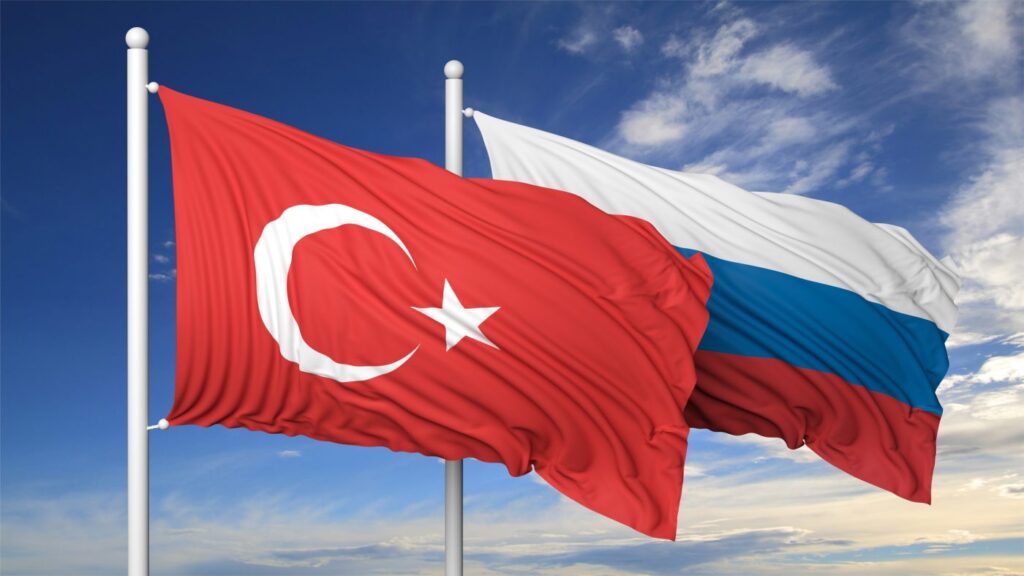
S-400 Deliveries Begin
Russia delivers the S-400 system to Turkey. The United States removes Turkey from the F-35 Joint Strike Fighter programme, citing risk of Russian intelligence compromise.

CAATSA Sanctions Imposed
U.S. imposes sanctions on Turkey's defense procurement agency under CAATSA , the first time such measures are used against a NATO member state.
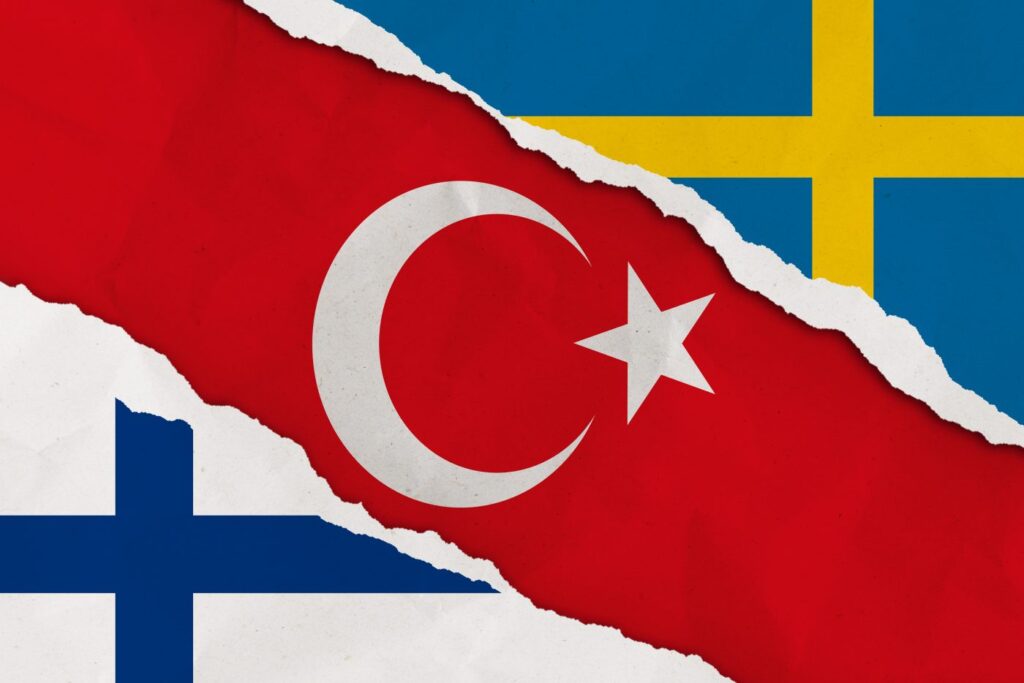
Finland & Sweden Apply to NATO
In response to Russia's invasion of Ukraine, Finland and Sweden submit formal NATO membership applications. Turkey immediately objects, blocking both accessions.
Turkish Firms Sanctioned
U.S. Treasury sanctions Turkish firms for supplying components used in Russia's defense sector, as Turkish exports to Russia surge by over 100%.

Sweden Ratified
Turkish parliament finally approves Sweden's accession with a vote of 287-55, twenty months after Sweden's application. Sweden becomes NATO's 32nd member.
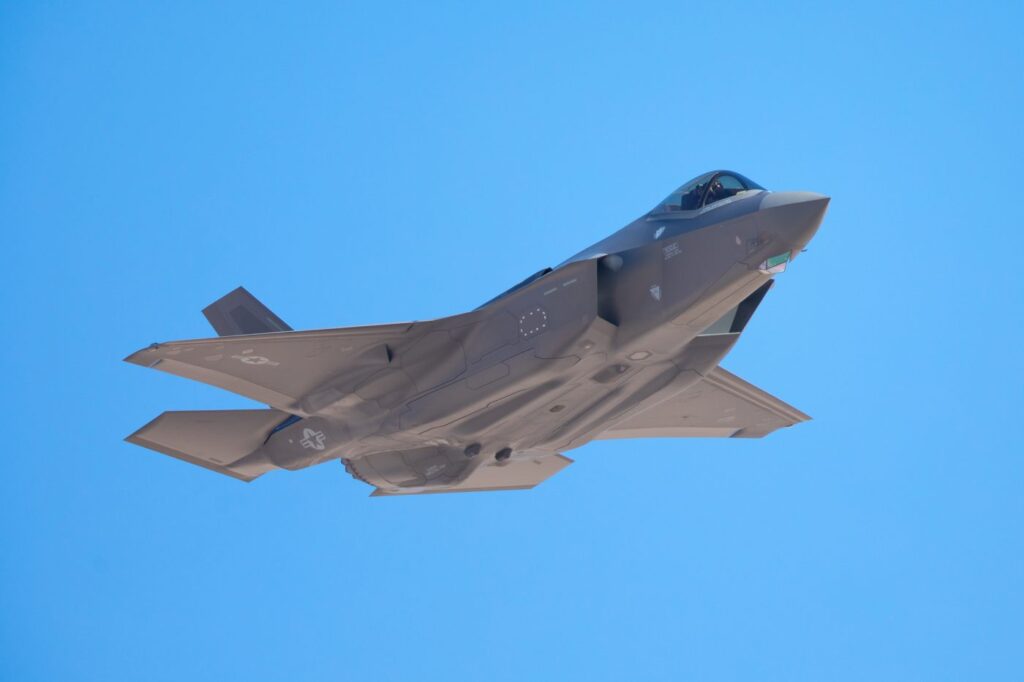
Risch Maintains F-35 Hold
"I'm the one that put the hold on the F-35s, and the F-35s they bought and paid for are still sitting in the United States."…
Framework of Assessment
The legal, treaty-based, and institutional mechanisms relevant to membership reassessment.
Treaty Obligations
Analysis of North Atlantic Treaty Articles, particularly Articles 2, 3, and 8, and Turkey's record of compliance with collective defense commitments.
Suspension Mechanisms
Examination of existing and proposed mechanisms for suspending member state privileges, including voting rights and defense intelligence sharing.
Sanctions & Precedents
Review of CAATSA sanctions, bilateral sanctions, arms embargoes, and their implications for alliance membership status.
From the Archive
Key documents, congressional letters, and policy statements compiled for institutional review.
Turkey alleges that it has the role of a bulwark on NATO’s Southern Flank. In reality, over the last decade it has contributed as little…
For decades Turkey claimed the role of a bulwark on NATO’s southeastern flank. Today, it often behaves as a wedge inside the alliance. A Trojan…
Membership in NATO does not automatically grant full access to the alliance’s structures, particularly its military components. While Turkey remains a formal member, NATO has…
"NATO can accommodate disagreement. It cannot function under recurring procedural coercion. When alliance rules are repeatedly used as leverage tools, the alliance itself becomes the bargaining chip — and that is a strategic vulnerability. Not for one flank, but for all."— Turkey Out of NATO — Project 2028